NEWS
Banffee Makeup - Professional Make Up Factory & Customized Cosmetics Manufacturer
Language
Matte lipsticks have long been a staple of the Western beauty market, prized for their intense pigmentation, long-lasting wear, and sophisticated finish. Yet for decades, they have carried a persistent reputation: drying, cracking, and leaving lips feeling parched. As the global lipstick market continues to expand—projected to reach $23.77 billion by 2030, with matte formulas leading the charge—understanding the science behind this paradox has become essential. For Europen brands seeking to capture this growing segment, the question is no longer whether to offer matte lipsticks, but how to formulate them with uncompromising comfort. This article explores why traditional matte lipsticks dry out lips and how modern, integrated R&D and manufacturing can deliver the "comfort matte" experience that today's consumers demand.
Part 1: The Science of Dryness – Why Traditional Matte Lipsticks Fail
1.1 The Fundamental Formula Imbalance
At its core, every lipstick is a delicate balance of three primary components: oils, waxes, and pigments. The ratio of these ingredients determines whether a lipstick delivers a glossy, creamy finish or a matte, highly pigmented one. Traditional matte lipsticks achieve their signature non-shiny finish by tipping this balance significantly: they contain far less oil and significantly more wax and pigment.
This formulation choice has a direct consequence on lip comfort. Oils are the primary moisturizing agents in lipstick—they soften the lip skin and enable color to go on smoothly and evenly. When oil content is reduced to achieve a matte effect, the formula inherently loses its hydrating capacity. Waxes, while essential for structure and stability, do not provide the same emollient benefits. The result is a product that delivers rich, opaque color but leaves lips feeling tight, dry, and uncomfortable over time.
1.2 The Role of Volatile Ingredients and Powders
Beyond the oil-wax-pigment imbalance, traditional matte formulations often rely on volatile oils, coating agents, and powders to increase persistence and create a matte expression. These ingredients evaporate or absorb moisture from the lip surface, exacerbating dryness. High pigment loads—characteristic of matte formulas—can also lead to uneven coverage and patchiness, further compromising the wear experience.
1.3 The Lip Skin Barrier Challenge
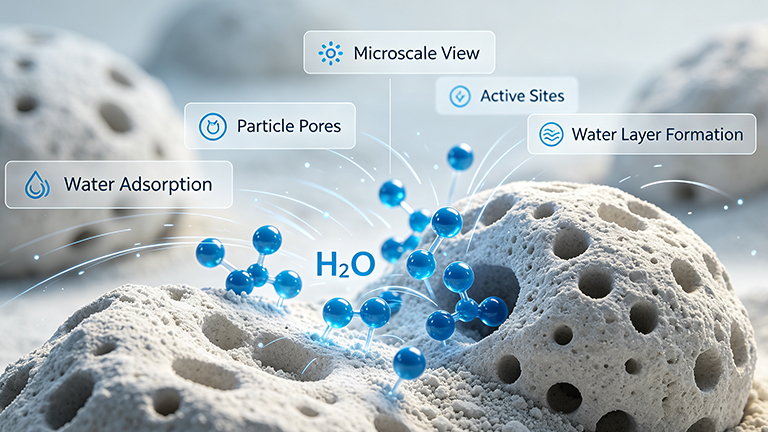
The lips have unique anatomical characteristics that make them particularly vulnerable to dryness. Unlike other areas of skin, lips lack sebaceous glands and have a thinner stratum corneum. Even barely visible levels of dryness or flaking become highly apparent after applying matte lipstick. When a formula lacks sufficient moisturizing ingredients, it does not simply fail to hydrate—it actively draws moisture away from the lip surface, accelerating the cycle of dryness and flaking.
Part 2: The New Era – How Advanced Formulations Prevent Dryness
The market is witnessing a decisive shift. Consumers are no longer willing to sacrifice comfort for color. Today's matte lip formulas are much more flexible, skin-like, and infused with skincare ingredients—think hyaluronic acid, nourishing oils, and smoothing complexes—so they feel comfortable and actually wear beautifully over time. This "skinification" of matte lipsticks represents the most significant formulation innovation in the category.
2.1 High-Performance Humectants and Moisture-Binding Agents
Leading manufacturers incorporate powerful humectants directly into matte formulations to attract and retain moisture on the lip surface.
·Hyaluronic Acid (Sodium Hyaluronate): This gold-standard hydrating ingredient visibly plumps lips, locks in moisture, and smooths fine lines. It provides up to 24 hours of hydration even in matte formats.
·Glycerin: Often used in conjunction with hyaluronic acid, glycerin acts as a moisture magnet, drawing water to the lip surface.
·Polyglutamic Acid: A newer, highly effective humectant that holds four times more moisture than hyaluronic acid.
2.2 Nourishing Oils and Emollients for Lasting Comfort
Modern comfort matte lipsticks restore the oil content that traditional formulas lack, using carefully selected emollients that provide slip, softness, and hydration without compromising the matte finish.
·Plant-Derived Oils: Jojoba oil, olive oil, argan oil, and chia seed oil provide essential fatty acids and vitamins that soften and condition the lips.
·Shea Butter: Rich in vitamins and fatty acids, shea butter provides deep nourishment and creates a protective barrier.
·Squalane and Squalene: These biomimetic ingredients mimic the skin's natural oils, providing exceptional hydration and compatibility.
·Lipid-Rich Complexes: Advanced formulas incorporate lycopene, vitamin A and E, and essential fatty acids to support lip barrier health.
2.3 Advanced Film-Forming Technology: The "Breathable Shield"
The most sophisticated innovation in comfort matte technology is the development of breathable film-forming systems. Rather than relying on high wax content or absorbent powders, these formulations use special polymer film-formers in synergy with volatile silicones.
When applied, the volatile silicone quickly evaporates, while the polymers cross-link on the lip surface to form a micro-breathable film. This film serves a dual purpose: it blocks external friction while allowing the lips' natural moisture to slowly escape, achieving the coveted "matte but not dry" balance. This technology requires precise control over formula stability, wax-to-oil ratios, and powder dispersion.
Key film-forming ingredients include:
·Trimethylsiloxysilicate: Creates a long-lasting, transfer-resistant film
·Natural film formers: Provide smoothness and moisture retention
·Silicone resins: Enable lasting wear without the drying effects of traditional polymers
2.4 Barrier-Strengthening and Soothing Ingredients
Beyond hydration, advanced formulas incorporate ingredients that actively support lip barrier health:
·Ceramides: These lipid molecules help restore the lip barrier, reducing moisture loss and protecting against environmental stressors
·Panthenol (Vitamin B5): Soothes irritation and promotes healing
·Peptides: Help plump lips and soften the appearance of fine lines
2.5 Pigment Surface Treatment Technology
Modern pigment technology has also evolved significantly. Coated pigments have enhanced affinity with lips, offering beautiful, buildable color coverage while reducing the drying effects traditionally associated with high pigment loads. These surface treatments improve dispersion, reduce clumping, and enhance wear comfort.
Part 3: The Manufacturing Advantage – Why Integrated R&D Matters
For brands targeting the Europen market, the choice of manufacturing partner is critical. An integrated cosmetics factory that combines in-house R&D, certified production, and regulatory expertise offers distinct advantages in developing truly comfortable matte lipsticks.
3.1 Precision Formulation Capabilities
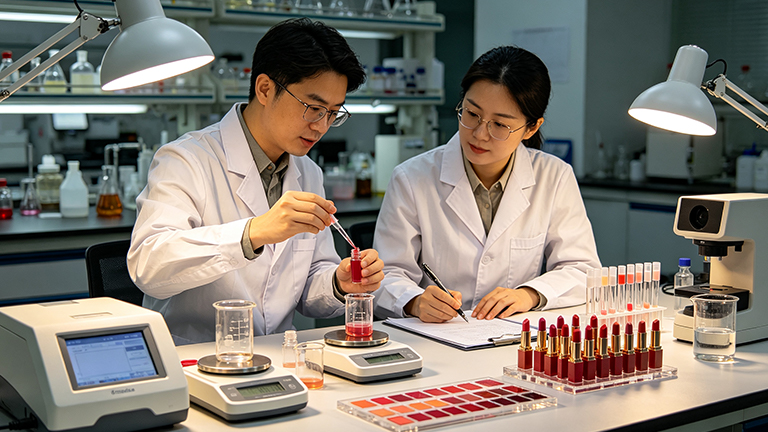
Developing a high-performance comfort matte lipstick requires balancing multiple, often competing, objectives: intense pigmentation, velvety finish, long wear, and exceptional comfort. An experienced in-house R&D team can:
·Optimize the oil-wax-pigment ratio to achieve matte finish without compromising hydration
·Select and test the optimal combination of humectants, emollients, and film-formers
·Conduct rigorous stability testing to ensure formula integrity across temperature variations
·Perform wear testing to validate comfort claims
3.2 Quality Assurance and Compliance
Entering Europen markets requires adherence to strict regulatory standards. An integrated manufacturer provides:
·GMPC and ISO 22716-certified production in climate-controlled cleanrooms
·Raw material verification and in-process quality monitoring
·Full documentation for EU Cosmetic Regulation compliance and FDA registration
·Safety assessments and Product Information Files (PIF)
3.3 Scalable, Flexible Production
From pilot batches for market testing to full-scale commercial production, an integrated factory accommodates brands at every stage with flexible MOQs and efficient supply chain management.
Part 4: Market Trends and Consumer Expectations
The matte lipstick segment is experiencing a decisive renaissance. Trend forecasting data shows matte lipstick saw a 38.1% year-on-year growth across TikTok and Google combined, with approximately 279.6 million total views on TikTok and 59,100 average monthly Google searches.
Today's consumers seek a soft-focus, velvety finish that delivers intense color with a weightless, comfortable feel. They want a product that looks beautiful, feels luxurious, and cares for their lips throughout wear. Brands that can deliver this "comfort capitol" will capture the loyalty of the most discerning consumers.
Conclusion
Matte lipsticks no longer need to be a compromise between color and comfort. Through advanced formulation science—incorporating high-performance humectants, nourishing oils, breathable film-forming technologies, and barrier-strengthening ingredients—modern manufacturers can deliver the velvety, pigmented finish consumers love without the drying effects they fear.
For Europen brands seeking to capitalize on the growing matte lipstick market, partnering with an integrated cosmetics factory that combines in-house R&D, certified production, and regulatory expertise is the most effective path to success. Such a partnership enables brands to navigate formulation complexities, ensure uncompromising quality, and bring truly comfortable matte lipsticks to market with speed and confidence. In the era of "skinification," the brands that lead will be those that refuse to treat matte and moisturizing as mutually exclusive.
HEY, LET’S KEEP IN TOUCH!
If you have any questions about our products or services, feel free to reach out to customer service team.